Areca palms, also known as Dypsis lutescens (formerly Chrysalidocarpus lutescens), are indeed striking and versatile plants. Here’s a comprehensive guide to understanding and caring for them, whether they’re indoors or outdoors: Areca Palm Overview Common Names : Areca palm, bamboo palm, golden cane palm, yellow palm Botanical Name : Dypsis lutescens Family : Arecaceae Plant Type : Perennial Native Area : Madagascar (though the plant is now common in various tropical regions) Sun Exposure : Full sun to partial shade Soil Type : Moist but well-drained Soil pH : Acidic to neutral Bloom Time : Summer Flower Color : Yellow (though flowers are often inconspicuous) Hardiness Zones : 10–11 (USDA) Growth and Size Indoor Size : 6-7 ft. tall, 3-4 ft. wide Outdoor Size : 15-30 ft. tall, 8-10 ft. wide Areca palms have a unique, elegant appearance with their smooth, sometimes golden trunks and feathery fronds that resemble bamboo leaves. This makes them a popular choice for both indoor and outdoor ...
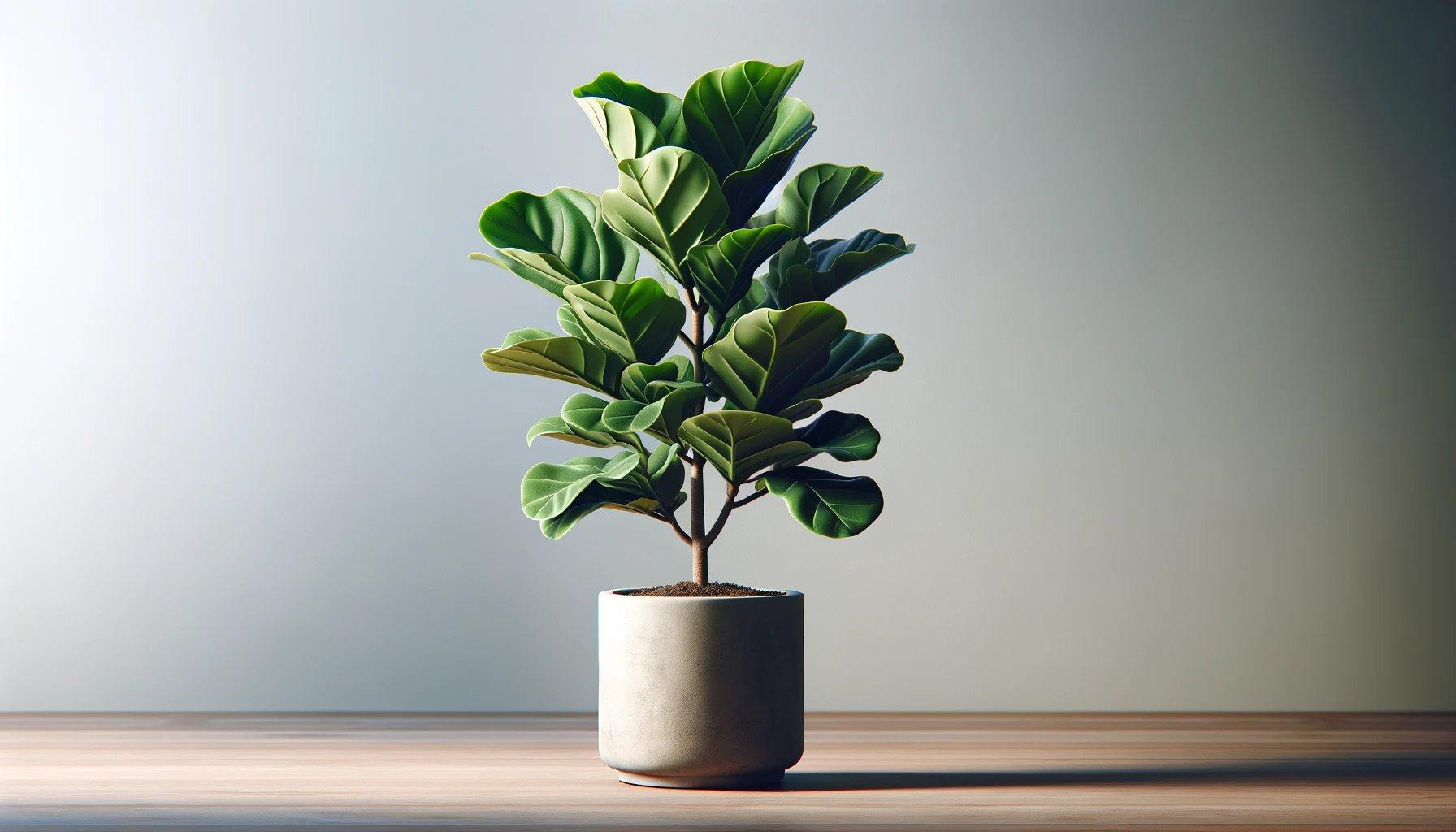
Fiddle Leaf Figs thrive in a substrate that balances moisture retention with good drainage. A well-chosen substrate can significantly simplify care and keep your plant healthy. Here's a detailed guide to help you select the best substrate mix for your Fiddle Leaf Fig:
Ideal Substrate Mix
Balanced Mix:
- Soil-Based Component:
- Wildvine Houseplant Blend is a good example of a soil-based mix that provides organic matter and higher water retention. This mix helps maintain consistent moisture levels, which Fiddle Leaf Figs appreciate.
- Soil-Free Component:
- Bio Leaf Indoor Fine/Medium or Bio Leaf Aroid Medium/Chunky are excellent choices for the soil-free part of the mix. These components improve aeration and drainage, preventing waterlogging and root rot.
- Alternative Mix:
- Another effective combination is Wildvine Houseplant Blend mixed with Wildvine Aroid Blend. This provides both organic content and excellent drainage, suitable for various light conditions and watering habits.
- Soil-Based Component:
For Bright Light Conditions:
- If your Fiddle Leaf Fig is in very bright light, which can cause the substrate to dry out more quickly, you might use a soil-based mix on its own. This helps retain enough moisture to keep the plant hydrated.
Custom Mixes:
- If you're not in New Zealand, consider looking for a custom blend like the Organic Fiddle Leaf Fig Potting Mix available on Amazon. These mixes are specifically formulated to meet the needs of Fiddle Leaf Figs and can be a reliable option.
Temperature Preferences
- Optimal Range:
- Fiddle Leaf Figs prefer temperatures between 15 to 24°C (60 to 75°F). This range mimics their natural tropical environment and supports their overall health.
- Avoiding Extremes:
- Keep the plant away from temperatures below 12°C (54°F), as they can be sensitive to cold and may suffer if exposed to lower temperatures for extended periods.
Watering Guidelines
Moisture Level:
- Aim to keep the substrate lightly, evenly moist. Over-watering is more detrimental than under-watering, so if you’re unsure, it’s better to wait a bit longer before watering.
- When to Water:
- Water when the top 50% of the soil is dry. In winter or cooler conditions, this may be less frequent. Avoid letting the soil dry out completely.
Tools for Monitoring Moisture:
- Clear Pots: These allow you to monitor the moisture level visually through the side of the pot.
- Water Meter: This tool helps check moisture levels at the root level. However, it should be used as a guide rather than an absolute measure. Regularly assess the plant's overall condition to determine the right watering frequency.
Summary
For the best results, use a well-draining mix that combines soil-based and soil-free substrates. Maintain optimal temperature conditions and monitor soil moisture carefully. With the right mix and care, your Fiddle Leaf Fig will thrive and add lush greenery to your space.
Comments
Post a Comment