
Areca Palm Guide

Areca palms, also known as Dypsis lutescens (formerly Chrysalidocarpus lutescens), are indeed striking and versatile plants. Here’s a comprehensive guide to understanding and caring for them, whether they’re indoors or outdoors: Areca Palm Overview Common Names : Areca palm, bamboo palm, golden cane palm, yellow palm Botanical Name : Dypsis lutescens Family : Arecaceae Plant Type : Perennial Native Area : Madagascar (though the plant is now common in various tropical regions) Sun Exposure : Full sun to partial shade Soil Type : Moist but well-drained Soil pH : Acidic to neutral Bloom Time : Summer Flower Color : Yellow (though flowers are often inconspicuous) Hardiness Zones : 10–11 (USDA) Growth and Size Indoor Size : 6-7 ft. tall, 3-4 ft. wide Outdoor Size : 15-30 ft. tall, 8-10 ft. wide Areca palms have a unique, elegant appearance with their smooth, sometimes golden trunks and feathery fronds that resemble bamboo leaves. This makes them a popular choice for both indoor and outdoor ...
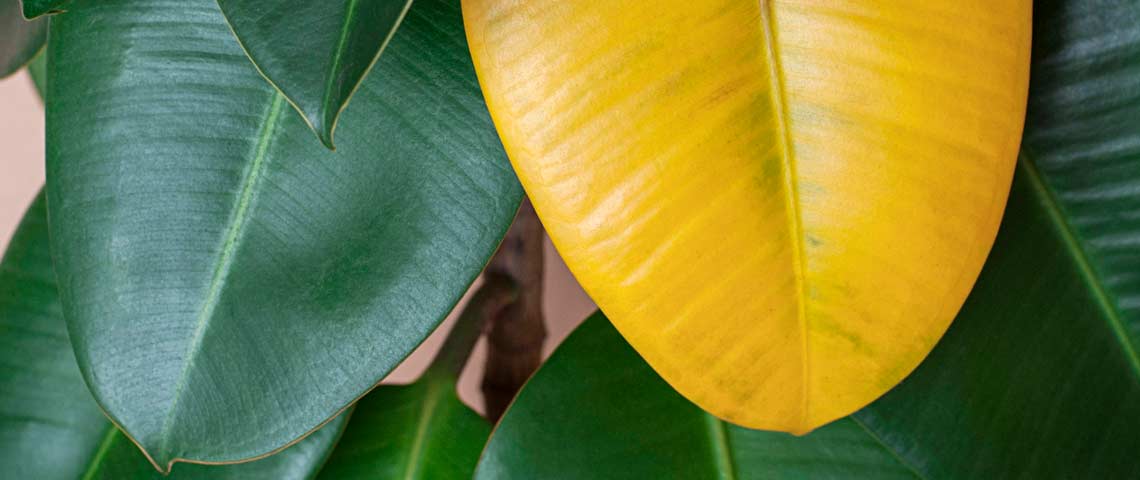
 Why Plant Leaves Turn Yellow and How to Fix Them

ip: Fertilize your plants according to their growth cycle and needs. Check the Grow-How® Team’s guide on fertilizing for more details.

5. Rootbound

A rootbound plant has outgrown its pot, leading to various problems:

  • Signs: Look for roots growing through the drainage holes or creeping up along the soil surface. Water may also run straight through the pot without soaking in.

Solution: If rootbound, consider repotting your plant into a larger container with fresh soil. For repotting instructions, refer to the Grow-How® Team’s blog on how to repot your plants.

6. Normal Leaf Life Cycle

Sometimes, yellowing leaves are simply a part of your plant’s natural growth cycle:

  • Old Leaves: If new growth is healthy and the yellowing occurs on older, lower leaves, this is usually normal. Plants naturally shed older leaves to focus energy on new growth.

Solution: Trim off the yellowing leaves to help your plant concentrate on new and vibrant growth.

Final Tips

  • Regular Monitoring: Keep a close eye on your plants and regularly inspect for any signs of distress. Early detection is key to managing issues effectively.
  • Adapt Care: Adjust your plant care routine based on the specific needs of each plant and its environment.
  • Consult Guides: Use plant care guides and resources like the Grow-How® Team’s blog to get tailored advice for your specific plants.

By understanding and addressing these common causes of yellowing leaves, you can help ensure your plants remain healthy and vibrant. If you need further assistance, don’t hesitate to reach out to plant care experts for personalized advice.

Comments

Popular posts from this blog

7 Benefits of Keeping Snake Plants in Your Home

  The snake plant, also known as  Sansevieria trifasciata  or mother-in-law's tongue, is a popular choice for indoor decor. Not only does it add a touch of greenery to your space, but it also offers several surprising health benefits. Below, we explore the key advantages of having a snake plant in your home, its care requirements, and tips for making the most of this resilient plant. What is a Snake Plant? The snake plant is a hardy succulent native to Asia and Africa. It features long, upright, sword-shaped leaves that give it a striking appearance. Known for its minimal care requirements, it thrives in a variety of conditions and can grow from 6 inches to several feet in height. While it is generally safe, its leaves contain saponins that can be mildly toxic if ingested, so it’s best to keep it out of reach of children and pets. Benefits of Snake Plants Filter Indoor Air, Even at Night Unique Quality:  Unlike many other houseplants, snake plants convert carbon diox...

How to Treat and Prevent Soil Gnats in Indoor Plants

Soil gnats, also known as fungus gnats, are tiny pests that can become a nuisance for indoor plant enthusiasts. These small, flying insects are attracted to moist, organic matter in potting soil and can multiply quickly if not addressed promptly. While soil gnats rarely cause severe damage to well-established plants, their presence can be frustrating. Fortunately, treating and preventing soil gnats is manageable with a few effective strategies. Here’s a comprehensive guide to help you handle these pesky bugs and keep your indoor plants thriving. What Are Soil Gnats? Soil gnats are small flying insects, typically measuring between ⅛ to ¼ of an inch. They are often mistaken for fruit flies due to their similar appearance. Soil gnats have brown or black bodies with translucent wings. These pests thrive in environments where organic matter is present, such as the potting soil of houseplants. The lifecycle of soil gnats begins when adult females lay eggs in moist soil. The eggs hatch into l...

Areca Palm Guide

Areca palms, also known as Dypsis lutescens (formerly Chrysalidocarpus lutescens), are indeed striking and versatile plants. Here’s a comprehensive guide to understanding and caring for them, whether they’re indoors or outdoors: Areca Palm Overview Common Names : Areca palm, bamboo palm, golden cane palm, yellow palm Botanical Name : Dypsis lutescens Family : Arecaceae Plant Type : Perennial Native Area : Madagascar (though the plant is now common in various tropical regions) Sun Exposure : Full sun to partial shade Soil Type : Moist but well-drained Soil pH : Acidic to neutral Bloom Time : Summer Flower Color : Yellow (though flowers are often inconspicuous) Hardiness Zones : 10–11 (USDA) Growth and Size Indoor Size : 6-7 ft. tall, 3-4 ft. wide Outdoor Size : 15-30 ft. tall, 8-10 ft. wide Areca palms have a unique, elegant appearance with their smooth, sometimes golden trunks and feathery fronds that resemble bamboo leaves. This makes them a popular choice for both indoor and outdoor ...