Areca palms, also known as Dypsis lutescens (formerly Chrysalidocarpus lutescens), are indeed striking and versatile plants. Here’s a comprehensive guide to understanding and caring for them, whether they’re indoors or outdoors: Areca Palm Overview Common Names : Areca palm, bamboo palm, golden cane palm, yellow palm Botanical Name : Dypsis lutescens Family : Arecaceae Plant Type : Perennial Native Area : Madagascar (though the plant is now common in various tropical regions) Sun Exposure : Full sun to partial shade Soil Type : Moist but well-drained Soil pH : Acidic to neutral Bloom Time : Summer Flower Color : Yellow (though flowers are often inconspicuous) Hardiness Zones : 10–11 (USDA) Growth and Size Indoor Size : 6-7 ft. tall, 3-4 ft. wide Outdoor Size : 15-30 ft. tall, 8-10 ft. wide Areca palms have a unique, elegant appearance with their smooth, sometimes golden trunks and feathery fronds that resemble bamboo leaves. This makes them a popular choice for both indoor and outdoor ...
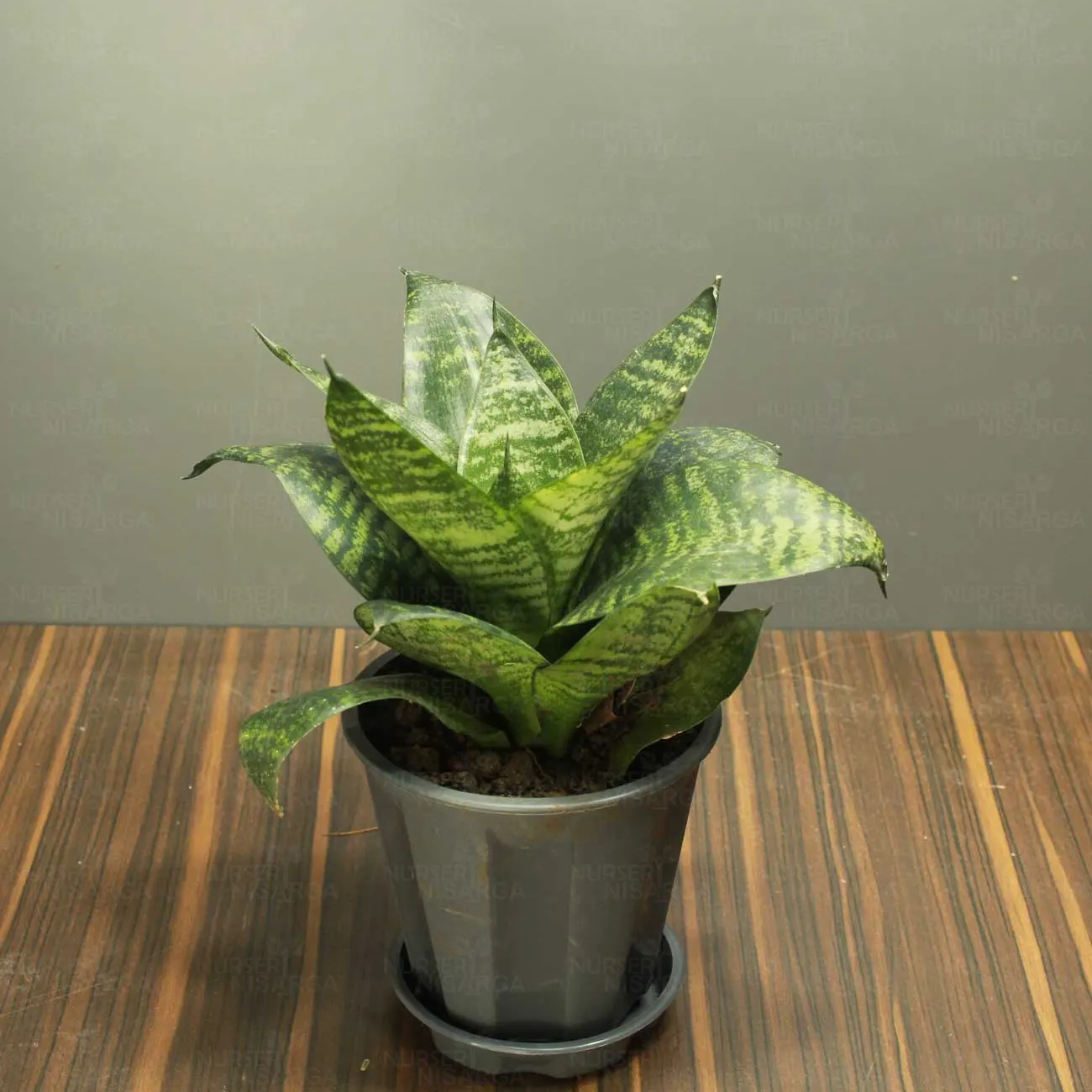
Snake plants are beloved for their striking appearance and minimal care requirements. Here’s how to ensure your snake plant thrives:
Watering
- Key Rule: Avoid overwatering. Snake plants are susceptible to root rot if left in soggy soil.
- How to Water: Allow the soil to dry completely between waterings. Stick your finger into the soil; if it feels dry up to your first knuckle, it's time to water. Ensure the pot has drainage holes to prevent water from pooling at the bottom.
Light Requirements
- Ideal Light: Snake plants prefer indirect sunlight. They can tolerate lower light conditions but thrive in bright, indirect light.
- Placement: Place your snake plant near a window with filtered light. If it’s in a darker corner, it may grow more slowly and have less vibrant leaves. Too much direct sunlight can scorch the leaves, while complete shade can cause them to become floppy.
Propagation
Snake plants are incredibly easy to propagate. Here’s how you can grow new plants from an existing one:
- Cutting: Choose a healthy leaf and cut it near the base. Make an upside-down V cut at the bottom of the leaf.
- Rooting in Water: Place the leaf in a clean jar of water, ensuring the water level is slightly above the V cut.
- Root Development: Allow the cutting to develop roots, which usually takes 3 to 5 weeks. Once roots are well-formed, you can either continue growing the leaf in water or transfer it to soil.
- Transplanting: If you opt for soil, use a well-draining potting mix. Make sure the pot has drainage holes to prevent water from accumulating.
Pot and Soil
- Pot: Use a well-drained pot with drainage holes. Snake plants are prone to root rot in pots without adequate drainage.
- Soil: A cactus or succulent mix works well as it allows excess water to drain away efficiently.
The Takeaway
Snake plants are not only stylish but also incredibly low-maintenance. Their ability to filter indoor air adds to their appeal, making them a practical choice for improving indoor air quality. They can adapt to various light conditions and survive with minimal watering, making them perfect for both beginners and experienced plant enthusiasts.
By following these simple care guidelines, you can ensure your snake plant remains healthy and vibrant, contributing both to your decor and to a healthier indoor environment.
- Get link
- X
- Other Apps
- Get link
- X
- Other Apps
Comments
Post a Comment