Areca palms, also known as Dypsis lutescens (formerly Chrysalidocarpus lutescens), are indeed striking and versatile plants. Here’s a comprehensive guide to understanding and caring for them, whether they’re indoors or outdoors: Areca Palm Overview Common Names : Areca palm, bamboo palm, golden cane palm, yellow palm Botanical Name : Dypsis lutescens Family : Arecaceae Plant Type : Perennial Native Area : Madagascar (though the plant is now common in various tropical regions) Sun Exposure : Full sun to partial shade Soil Type : Moist but well-drained Soil pH : Acidic to neutral Bloom Time : Summer Flower Color : Yellow (though flowers are often inconspicuous) Hardiness Zones : 10–11 (USDA) Growth and Size Indoor Size : 6-7 ft. tall, 3-4 ft. wide Outdoor Size : 15-30 ft. tall, 8-10 ft. wide Areca palms have a unique, elegant appearance with their smooth, sometimes golden trunks and feathery fronds that resemble bamboo leaves. This makes them a popular choice for both indoor and outdoor ...
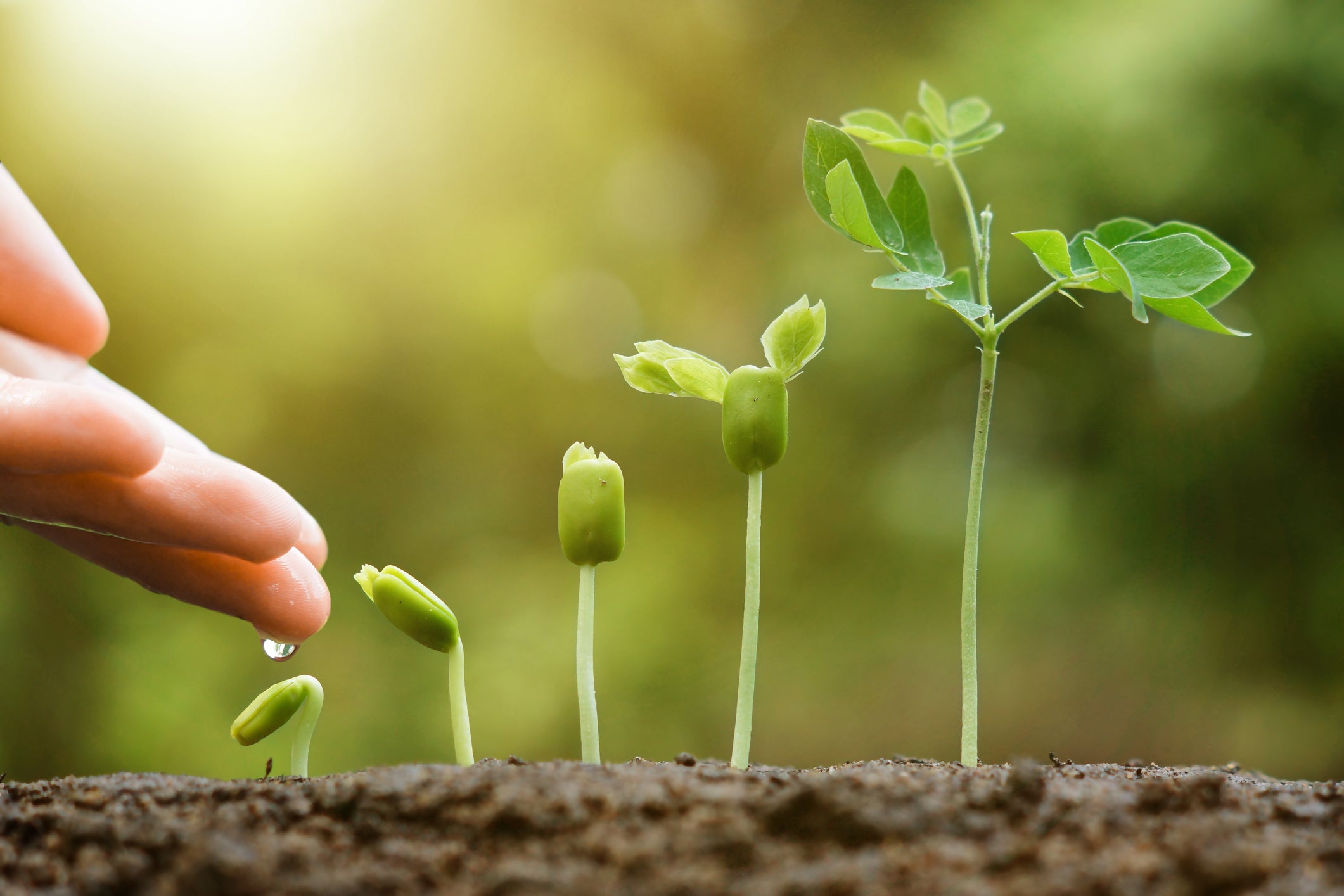
Each plant has unique characteristics and benefits that align with different personality traits and needs. Discover which plant resonates with you based on its qualities and the attention you’re willing to give. Here’s a guide to finding your perfect plant companion:
1. Aloe Vera: For a Reminder to Break Toxic Ties
Personality Fit: If you're someone who gives a lot to others, aloe vera may resonate with you. It's a plant that symbolizes healing and self-care, reminding you to let go of what's holding you back.
Benefits:
- Air Purification: Helps detoxify the air by removing harmful chemicals.
- Healing Properties: Its gel can treat burns, cuts, and inflammation.
Caring for Aloe Vera:
- Where to Place It: Ideal for the kitchen or bathroom where it can help with household chemicals.
- How to Care: Water weekly and ensure it gets some sunlight, though it can thrive in indirect light.
2. Lavender: For a Reminder to Relax and Stay Calm
Personality Fit: Perfect for those who often forget to unwind. Lavender's soothing scent and calming properties can help you relax and manage stress.
Benefits:
- Calming Effect: Reduces anxiety and promotes a calm atmosphere.
- Topical Uses: Antiseptic and anti-inflammatory properties are great for skincare.
Caring for Lavender:
- Where to Place It: On your nightstand to enjoy its calming scent before sleep.
- How to Care: Needs bright light and well-drained soil. Water when soil is dry; avoid overwatering.
Side Note: Lavender essential oil should be diluted before applying to skin as it may disrupt hormones.
3. Peace Lilies: For a Reminder to Maintain a Work-Life Balance
Personality Fit: Ideal for those who seek balance and tranquility. Peace lilies symbolize peace and prosperity, making them perfect for your work or living space.
Benefits:
- Air Purification: Neutralizes indoor chemicals and improves air quality.
- Symbolism: Represents peace, purification, and solitude.
Caring for Peace Lilies:
- Where to Place It: In your bedroom or office to create a tranquil environment.
- How to Care: Prefers indirect sunlight and weekly watering or when the soil is dry.
4. Snake Plants: For a Reminder to Survive and Thrive During Hard Times
Personality Fit: Ideal for resilient individuals who need a reminder of their own strength. Snake plants are durable and thrive with minimal care, symbolizing endurance and growth.
Benefits:
- Air Purification: Converts CO2 into oxygen at night, enhancing air quality.
- Resilience: Low maintenance and tolerant of neglect.
Caring for Snake Plants:
- Where to Place It: Suitable for any room in your home. It will thrive even with occasional neglect.
- How to Care: Water every couple of weeks; it’s low-maintenance and hardy.
5. Eucalyptus: For a Reminder to Stay Present
Personality Fit: Best for those who need to stay grounded and appreciate the present moment. Eucalyptus helps you focus on the here and now with its refreshing scent.
Benefits:
- Respiratory Health: Helps with asthma, colds, and congestion.
- Mental Clarity: Encourages mindfulness and presence.
Caring for Eucalyptus:
- Where to Place It: Anywhere you can frequently enjoy its scent, especially in a living area or near a window.
- How to Care: Requires bright light and regular watering. Ensure good air circulation and well-drained soil.
Each plant offers unique benefits that align with different aspects of your personality and needs. Whether you’re looking for a reminder of your strength, a way to stay calm, or just a low-maintenance companion, there’s a plant that’s perfect for you. Enjoy discovering which plant speaks to you and enhances your living space!
Comments
Post a Comment