
Areca Palm Guide

Areca palms, also known as Dypsis lutescens (formerly Chrysalidocarpus lutescens), are indeed striking and versatile plants. Here’s a comprehensive guide to understanding and caring for them, whether they’re indoors or outdoors: Areca Palm Overview Common Names : Areca palm, bamboo palm, golden cane palm, yellow palm Botanical Name : Dypsis lutescens Family : Arecaceae Plant Type : Perennial Native Area : Madagascar (though the plant is now common in various tropical regions) Sun Exposure : Full sun to partial shade Soil Type : Moist but well-drained Soil pH : Acidic to neutral Bloom Time : Summer Flower Color : Yellow (though flowers are often inconspicuous) Hardiness Zones : 10–11 (USDA) Growth and Size Indoor Size : 6-7 ft. tall, 3-4 ft. wide Outdoor Size : 15-30 ft. tall, 8-10 ft. wide Areca palms have a unique, elegant appearance with their smooth, sometimes golden trunks and feathery fronds that resemble bamboo leaves. This makes them a popular choice for both indoor and outdoor ...
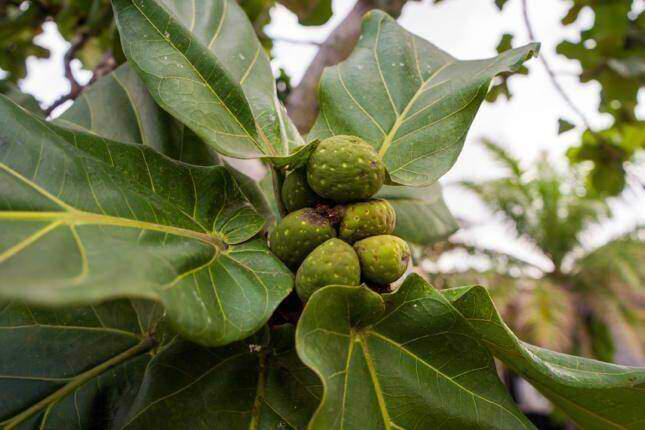
Tips for Fiddle Leaf Fig

The Complete Guide to Fiddle Leaf Fig Fruit | Plant Resource Great tip on keeping your Fiddle Leaf Fig dust-free! It's so true that those large, glossy leaves can attract dust like nobody’s business.

Here's a quick summary of the key points:

  1. Dust Accumulation: Dust can block light and clog stomata, which are crucial for your plant’s health. It can also attract pests like spider mites.

  2. Leaf Shine Products: Be cautious with silicon-based leaf shines. They can create a layer that blocks your plant's pores and often result in an artificial shine.

  3. Neem Oil Leaf Shine: Using something like Plant Runner’s Neem Oil Leaf Shine is a smart choice. It cleans leaves without clogging stomata and can also offer mild pest repellent properties. Just a spritz on a microfiber glove and you’re set!

Regular dusting with a soft cloth or microfiber gloves, combined with a plant-friendly product like neem oil, can help keep your Fiddle Leaf Fig looking vibrant and healthy. Thanks for sharing this helpful advice!

Comments

Popular posts from this blog

7 Benefits of Keeping Snake Plants in Your Home

  The snake plant, also known as  Sansevieria trifasciata  or mother-in-law's tongue, is a popular choice for indoor decor. Not only does it add a touch of greenery to your space, but it also offers several surprising health benefits. Below, we explore the key advantages of having a snake plant in your home, its care requirements, and tips for making the most of this resilient plant. What is a Snake Plant? The snake plant is a hardy succulent native to Asia and Africa. It features long, upright, sword-shaped leaves that give it a striking appearance. Known for its minimal care requirements, it thrives in a variety of conditions and can grow from 6 inches to several feet in height. While it is generally safe, its leaves contain saponins that can be mildly toxic if ingested, so it’s best to keep it out of reach of children and pets. Benefits of Snake Plants Filter Indoor Air, Even at Night Unique Quality:  Unlike many other houseplants, snake plants convert carbon diox...

How to Treat and Prevent Soil Gnats in Indoor Plants

Soil gnats, also known as fungus gnats, are tiny pests that can become a nuisance for indoor plant enthusiasts. These small, flying insects are attracted to moist, organic matter in potting soil and can multiply quickly if not addressed promptly. While soil gnats rarely cause severe damage to well-established plants, their presence can be frustrating. Fortunately, treating and preventing soil gnats is manageable with a few effective strategies. Here’s a comprehensive guide to help you handle these pesky bugs and keep your indoor plants thriving. What Are Soil Gnats? Soil gnats are small flying insects, typically measuring between ⅛ to ¼ of an inch. They are often mistaken for fruit flies due to their similar appearance. Soil gnats have brown or black bodies with translucent wings. These pests thrive in environments where organic matter is present, such as the potting soil of houseplants. The lifecycle of soil gnats begins when adult females lay eggs in moist soil. The eggs hatch into l...

Areca Palm Guide

Areca palms, also known as Dypsis lutescens (formerly Chrysalidocarpus lutescens), are indeed striking and versatile plants. Here’s a comprehensive guide to understanding and caring for them, whether they’re indoors or outdoors: Areca Palm Overview Common Names : Areca palm, bamboo palm, golden cane palm, yellow palm Botanical Name : Dypsis lutescens Family : Arecaceae Plant Type : Perennial Native Area : Madagascar (though the plant is now common in various tropical regions) Sun Exposure : Full sun to partial shade Soil Type : Moist but well-drained Soil pH : Acidic to neutral Bloom Time : Summer Flower Color : Yellow (though flowers are often inconspicuous) Hardiness Zones : 10–11 (USDA) Growth and Size Indoor Size : 6-7 ft. tall, 3-4 ft. wide Outdoor Size : 15-30 ft. tall, 8-10 ft. wide Areca palms have a unique, elegant appearance with their smooth, sometimes golden trunks and feathery fronds that resemble bamboo leaves. This makes them a popular choice for both indoor and outdoor ...